
Pediatric Orthopedic Care at Orthopedic Specialists Elmhurst, IL
As a parent, your child's health is your top priority. When it comes to orthopedic problems, it's important to seek specialized care from a trusted provider. Our pediatric orthopedic physicians, nurses, and staff are dedicated to delivering compassionate care to children with small joint or growing bone and muscle problems at Orthopedic Specialists. Learn about our specialties, services, and the quality of care we offer our patients.
Types of Pediatric Conditions
We understand that these conditions can be overwhelming for parents and children, so we take a multidisciplinary approach to treatment to ensure the best outcomes. Our team is specially trained to treat various conditions that affect children. Some of the common issues addressed include:
Accident-Related Pediatric Injuries
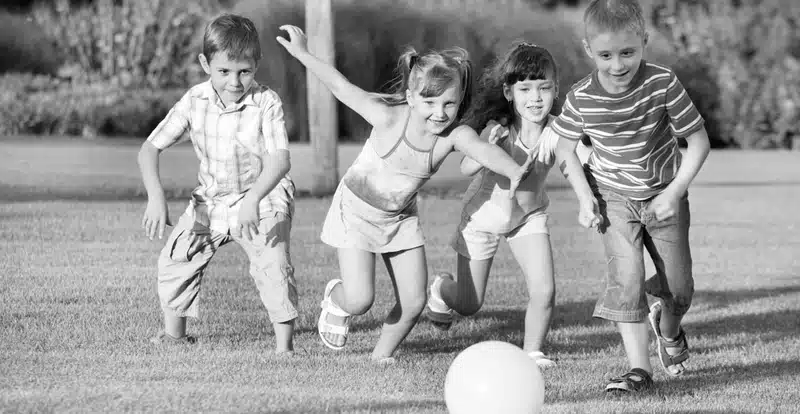
We provide specialized care for accident-related orthopedic injuries in infants, children, and adolescents throughout Elmhurst and surrounding communities. Because children’s bones are still growing, fractures and joint injuries require careful evaluation to protect growth plates and long-term development.
Common Conditions
Fractures, sprains, dislocations, and growth plate injuries.
Symptoms
Pain, swelling, bruising, limited movement, limping, or visible deformity following a fall or accident.
Diagnosis
Evaluation begins with a detailed physical examination. Imaging, including pediatric-specific X-rays, is used when needed to assess bone alignment and growth plate involvement.
Treatment
Most injuries are treated with casting or splinting to stabilize healing bones. Severe or unstable fractures may require surgical intervention.
Recovery
Healing time varies based on age and injury severity. Follow-up visits ensure proper bone alignment and normal growth.
Prevention
Supervised play, use of protective equipment, and age-appropriate activity guidelines help reduce injury risk.
Pediatric Sports Injuries
We treat sports-related orthopedic injuries in children and adolescents, focusing on safe healing while protecting developing bones and joints. Our goal is to help young athletes return to activity safely and confidently.
Common Conditions
Ligament injuries, Achilles tendonitis, apophysitis, overuse injuries, and stress fractures.
Symptoms
Pain during or after activity, swelling, stiffness, reduced performance, limping, or tenderness over growth areas.
Diagnosis
A thorough physical examination evaluates muscles, tendons, ligaments, and joint stability. Imaging may be used to assess structural injury or stress-related damage.
Treatment
Most injuries improve with rest, activity modification, bracing, and guided physical therapy. Surgery is reserved for severe ligament tears or unstable fractures.
Recovery
Treatment plans emphasize gradual return to sports to reduce re-injury risk.
Prevention
Proper warm-up routines, conditioning, cross-training, and adequate rest periods help prevent pediatric sports injuries.
Gait & Alignment Disorders in Children
We evaluate walking patterns and lower limb alignment concerns in infants, toddlers, and adolescents. Many alignment issues improve naturally with growth, but early assessment ensures proper development.
Common Conditions
In-toeing, out-toeing, toe walking, genu valgum (knock-knees), and genu varum (bowlegs).
Symptoms
Frequent tripping, uneven shoe wear, abnormal walking patterns, leg fatigue, or activity-related discomfort.
Diagnosis
Assessment includes a physical examination and gait analysis. Imaging is used only when necessary to evaluate bone alignment or structural abnormalities.
Treatment
Observation, guided activity modification, bracing, or physical therapy may be recommended. Surgical intervention is rarely required.
Recovery
Many conditions improve as children grow. Regular follow-up helps ensure proper skeletal development.
Prevention
Encouraging regular physical activity, proper footwear, and early evaluation of persistent walking concerns supports healthy movement.
These conditions require timely intervention and specialized care to ensure proper treatment and recovery.
Pediatric Orthopedic Treatment at Orthopedic Specialists
Orthopedic Specialists offer a range of pediatric orthopedic services and treatments. For instance, we provide cast and splint care to ensure your child’s cast or splint is placed correctly to help relieve pain and expedite healing. Our skilled surgeons can also perform a variety of hand surgeries, including minimally invasive procedures, to restore function and improve quality of life. Additionally, we offer occupational and physical therapy to improve your child’s ability to perform daily tasks and mobility.
We use the latest technologies and techniques to provide our patients with the highest quality of care. Our team is committed to staying up-to-date with the latest research and medical developments to ensure our patients receive the best possible care.
We understand that your child’s orthopedic issues may be causing you stress and worry. Our team is here to support and help you navigate the complex diagnosis and treatment process. We take pride in providing exceptional care that meets the unique needs of each child and family we work with.
Why Choose Orthopedic Specialists
At Orthopedic Specialists, we are committed to providing exceptional pediatric orthopedic care to every patient we treat. We understand that orthopedic issues can be scary and overwhelming, so we strive to provide compassionate care that meets the unique needs of your child. If you're seeking specialized and personalized care for your child, please don't hesitate to contact us to schedule an appointment. We look forward to working with you to achieve optimal health and wellness goals for your child.
Book Your AppointmentFAQs
A child may need to see an orthopedic doctor when experiencing bone, joint, or muscle issues. These specialists can diagnose and treat growth abnormalities, sports injuries, congenital deformities, and alignment disorders, ensuring the child’s healthy development and well-being.
Pediatric orthopedics focuses on diagnosing and treating bone, joint, and muscle issues in children and adolescents. Orthopedics, in general, addresses similar concerns for patients of all ages. Pediatric orthopedic specialists have additional training to manage young patients’ remarkable growth and development needs.
A child is diagnosed with an orthopedic impairment after a thorough evaluation by a pediatric orthopedic specialist. The process may include a detailed medical history, a physical examination, and diagnostic tests (such as X-rays, MRIs, or CT scans) to identify the specific disorder and develop an appropriate treatment plan.
The most common childhood orthopedic congenital condition is clubfoot, a deformity where the foot is twisted inward and downward. It affects both the bones and soft tissues of the foot. Early diagnosis and treatment are crucial for optimal outcomes and improved mobility for affected children.
Yes. Children’s bones and joints are still developing, so treatment is planned to support natural growth, protect developing structures, and prevent future complications.