
Arthritis Care at Orthopedic Specialists
Arthritis is a painful condition that affects millions of people worldwide. It is a term used to describe
inflammation in one or more joints, causing stiffness and pain that can worsen over time. There are different
types of arthritis, and understanding them can make a significant difference in managing the symptoms. In this
comprehensive guide, we will go over the most common types of arthritis and how they differ.
Types Of Arthritis We Treat At Orthopedic Specialists
Arthritis is a prevalent condition that can affect people of all ages. It can cause significant pain, stiffness, and limited mobility, making everyday tasks challenging. Understanding the different types of arthritis is crucial in managing the symptoms and getting the proper treatment. If you are experiencing joint pain, stiffness, or swelling, you must see your doctor for an accurate diagnosis. You can manage the symptoms and improve your quality of life with the proper treatment and self-care.

Osteoarthritis
This is the most common type of arthritis, usually developing with age. It occurs when the cartilage that cushions the joints starts to wear down, causing the bones to rub against each other. It can happen in any joint but usually affects the hips, knees, and hands. Symptoms include pain, stiffness, and limited mobility.
Rheumatoid Arthritis (RA)

RA is an autoimmune disorder in which the body's immune system attacks the joints, causing inflammation and damage to the surrounding tissues. It can affect any joint in the body and tends to be symmetrical. Symptoms include pain, stiffness, fatigue, and flu-like symptoms.

Childhood Arthritis
Also known as juvenile idiopathic arthritis, this type of arthritis affects children aged 16 or younger. It can cause joint pain, stiffness, swelling, fever, rash, and eye inflammation. The cause is unknown, but it is believed to be related to genetics and environmental factors.
Fibromyalgia

Although not technically a type of arthritis, fibromyalgia is a condition that is often associated with arthritis. It causes widespread pain, fatigue, and tenderness in the muscles, joints, and soft tissues. It can also cause sleep disturbances, headaches, and irritable bowel syndrome.
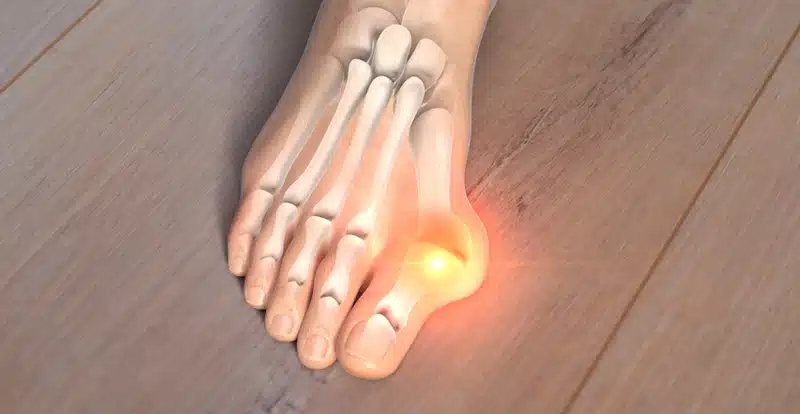
Gout
Gout is a form of arthritis caused by a build-up of uric acid crystals in the joints. It usually affects the big toe but can also affect other joints, such as the ankle, knee, and wrist. Symptoms include sudden and intense pain, swelling, and joint redness.
Welcome to Orthopedic Specialists

At Orthopedic Specialists, we understand the impact that arthritis can have on your daily life, causing pain, stiffness, and limitations in mobility. Our team of experienced specialists is dedicated to providing comprehensive and personalized arthritis treatments tailored to your specific needs. We stay up-to-date with the latest advancements in arthritis management, offering a range of treatment options, including medication, physical therapy, injections, and surgical interventions if necessary. With our compassionate approach and commitment to improving your quality of life, you can trust us to provide exceptional care and support throughout your arthritis treatment journey.
Book Your AppointmentFAQs
Osteoarthritis occurs when joint cartilage gradually wears down over time, leading to pain and stiffness, especially with activity. Rheumatoid arthritis, on the other hand, is an autoimmune condition in which the immune system attacks the joints, causing inflammation, swelling, and potential joint damage. Osteoarthritis typically develops with age and affects specific joints, while rheumatoid arthritis often affects joints symmetrically and may involve systemic symptoms like fatigue.
Hip pain, primarily felt in the groin, can worsen after prolonged standing or walking and cause stiffness in the hip. Soft tissue issues cause external pain, while issues within the hip joint cause pain inside the hip or the groin.
Psoriatic arthritis causes joint pain, stiffness, and swelling, often accompanied by psoriasis, a skin condition that produces red, scaly patches. Symptoms may include swollen fingers or toes, nail changes, fatigue, and reduced range of motion. Joint pain can affect one or multiple joints and may worsen over time if untreated. Early diagnosis and treatment help prevent joint damage and manage inflammation effectively.
At Orthopedic Specialists, we treat psoriatic arthritis with specific medications, including NSAIDs, DMARDs, and biologic drugs. These drugs relieve pain, slow progression and target immune system parts, ensuring proper treatment and avoiding side effects.
Yes, rheumatoid arthritis (RA) is an autoimmune disease. In RA, the immune system mistakenly attacks the lining of the joints, causing inflammation, pain, swelling, and potential joint damage. Over time, untreated RA can lead to joint deformity and loss of function. Early diagnosis and medical treatment are important to control inflammation and slow disease progression.
No, citrus fruits are not generally bad for arthritis. In fact, they are rich in vitamin C and antioxidants, which may help reduce inflammation. Some individuals believe citrus worsens symptoms, but there is no strong scientific evidence supporting this for most people.
A common myth is that arthritis only affects older adults, but it can occur at any age, including childhood. Another misconception is that exercise worsens arthritis, when in fact appropriate physical activity can improve joint flexibility and reduce stiffness. Some people also believe that cracking joints causes arthritis, which is not supported by medical evidence. Accurate information helps patients manage the condition effectively.
Osteoarthritis occurs when joint cartilage gradually wears down over time, leading to pain and stiffness, especially with activity. Rheumatoid arthritis, on the other hand, is an autoimmune condition in which the immune system attacks the joints, causing inflammation, swelling, and potential joint damage. Osteoarthritis typically develops with age and affects specific joints, while rheumatoid arthritis often affects joints symmetrically and may involve systemic symptoms like fatigue.